
Ruled by Revolutionaries
"Governing Right" means governing conservatively and soundly

What has happened in Minnesota is the consequence of losing the distinction between adrenaline-fueled, inexperienced ideologues and serious governing leaders.
The Ideologue’s Temperament
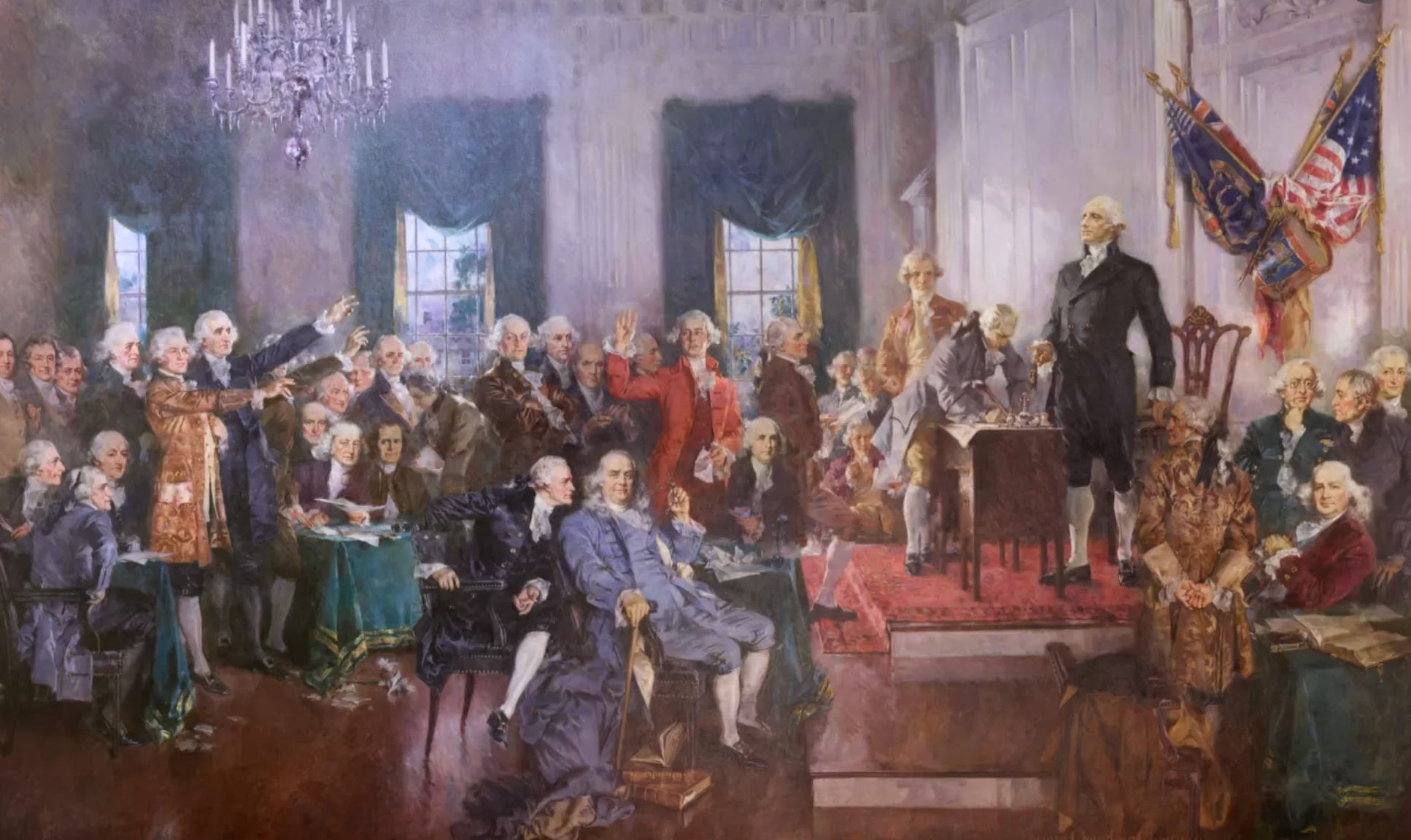
There’s much to be said—complimentary and critical—about Ken Burns’ new series “The American Revolution.”
But it does underscore the most amazing aspect of our founding: That this particular uprising led to the greatest constitution and greatest system of governing in recorded history.
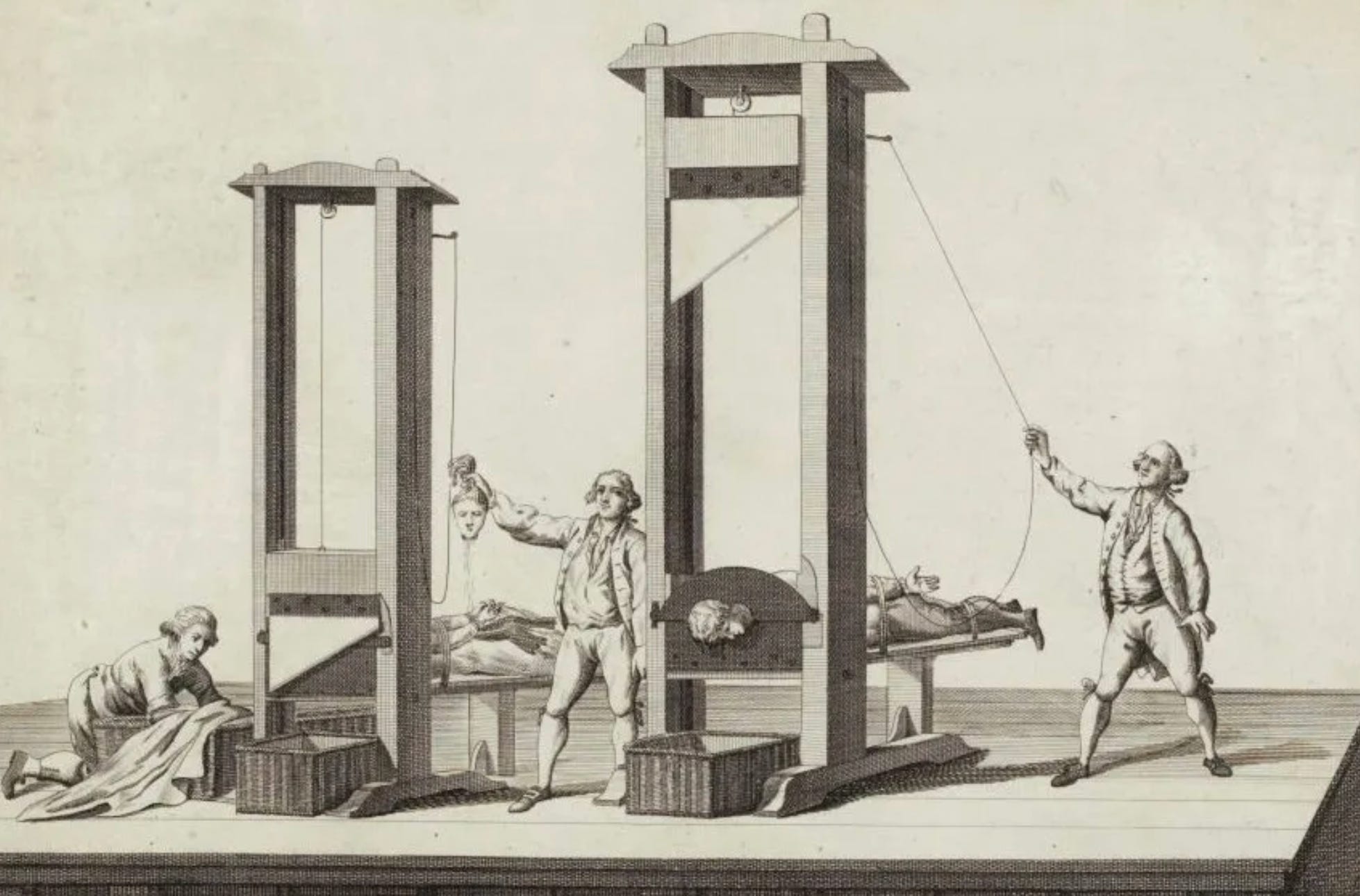
Revolutions seldom work. When they do topple the state, things usually get ugly. Recriminations. Purges. Economic deterioration. Cultural upheaval. Authoritarianism. Counterrevolutions.
A big reason the post-revolutionary phase generally spirals out of control is, well, the revolutionaries themselves.
The mindset and skills needed to be a successful revolutionary are not the mindset and skills needed to govern well.
Revolutionaries are ideologues. Their motivation is generally pure philosophy plus a lot of adrenaline. They have big ideas uncomplicated by real-world considerations, much by less real-world governing experience. They are bellicose and certain. They have a high tolerance for risk—for themselves and others. They don’t mind (often they enjoy) making enemies.
This is the kind of chutzpah needed to conspire to overthrow a government.
But this is poison for governing leadership. When people with those characteristics get power, they tend to create secret police to root out perceived enemies. They dispense with due process and other niceties. They uproot traditions and institutions that don’t align with the new regime. They war with other centers of power like businesses, churches, voluntary associations.
Think Lenin, Robespierre, Mao, Pol Pot.
From Rebelling to Governing
America was different—and very fortunate—in three ways. First, most of our founding revolutionaries were grounded in a philosophy that was compatible with later good government. They believed in democracy and liberty. That meant they understood the importance of political equality, debate, dissent, pluralism, and a limited state. That’s very different than revolutionaries motivated by Communism, zealous fidelity to a religious text, or tribal animosity.
Second, some of our more strident revolutionaries evolved into more sober-minded governing leaders, e.g., John Adams.
Third, and most importantly, the most radical elements of our revolution moved (or were moved) aside when it was time to govern. Room was made for those with the skills and dispositions needed to lead from inside the system. America’s most consequential early days would have been very different had Thomas Paine and Samuel Adams been in the most important roles instead of Washington, Madison, Dickinson, Wilson, Morris, and Jay.

From Governing to Rebelling
American governing has been increasingly troubled for the last 20 years or so because we seem to have lost the distinction between revolutionaries and governing leaders. Between ideological agitators and responsible inside-the-system actors.
I’m not opposed to the revolutionary disposition. Belligerent, imprudent people with wild ideas certainly have a place in nations like ours. We need transgressive voices. They can point out problems, get conversations going, suggest unorthodox policies. There’s a place for all of that.
That place simply isn’t in the most important positions of authority.
Unfortunately, for two decades too many important posts have been filled by ideologues with adrenaline, with big ideas uncomplicated by real-world considerations or experience, with bellicosity and certainty, with seeming glee for instigating.
I first saw this trend among staff-level officials during the Obama administration. It was a blend of aggressive, hubristic technocracy and incurious, uncompromising social-justice-ism. During the Biden administration the number of these individuals grew, and they moved into more senior posts. They seemed to run on pure philosophy and look for fights with democracy, tradition, pluralism, and stability.
Later, this flowered at the state level, perhaps most clearly in the big-city prosecutors who refused to prosecute crimes. But this zeal could be seen in the rapid legalization of drugs, in ideological initiatives in schools, in the fights over women’s sports, in state lawsuits against religious groups, in all sorts of pandemic-era decisions. This was not sober-minded governing; it was ideology and adrenaline.
Today, many members of both parties in Congress seem to see themselves as revolutionaries instead of governing leaders. They have bilious opinions, they are uncompromising and unforgiving, they love to make dramatic gestures, they look for fights. Unlike the aforementioned founding revolutionaries, they seem uninterested in evolving into reliable, understated, effective inside-the-system leaders. And they show no signs of wanting to make way for those serious about governing.
The Consequences of Unseriousness
I offer all of this as preamble to my straightforward position that what has happened in Minnesota is the unavoidable consequence of losing the distinction between adrenaline-fueled, inexperienced ideologues and serious governing leaders.
But it’s also why we had the DOGE debacle. It’s why we had an FBI director organizing social-media tactics during a law-enforcement emergency. It’s why we had a defense secretary accidentally share military secrets with a journalist. Why we have a health secretary who has little knowledge of health. Why we have political prosecutions and unpardonable pardons. Why we have a director of national intelligence involved in the search of a domestic election office.
I started this newsletter because I believe in governing conservatively and soundly. Today, we’re getting little of either
.